The best Cinema Sofas for a home theater do more than recline. They need to fit the room, support comfortable viewing, and work with the way people actually watch films. A wide sofa may look inviting, yet block an aisle or crowd the screen. A compact model may preserve space but feel cramped during a long movie. Small measurements matter.
Design researcher Don Norman offers a useful principle: “Attractive things work better.” His insight is not specific to cinema seating, but it helps explain why appearance and usability should be judged together. For buyers, that means checking seat depth, recline clearance, upholstery, controls, and care requirements—not relying on product photos alone. A cup holder is handy. So is a clear path to the door.
This guide explores the features that matter when comparing 2026 Cinema Sofas, from single recliners to modular rows. It also considers room dimensions, seating capacity, comfort, and practical ownership details. Verify current specifications and warranty terms with each seller; product listings can change. And comfort remains personal. A sofa that feels perfect for one viewer may not suit another. There is no flawless pick, only a better-informed one.
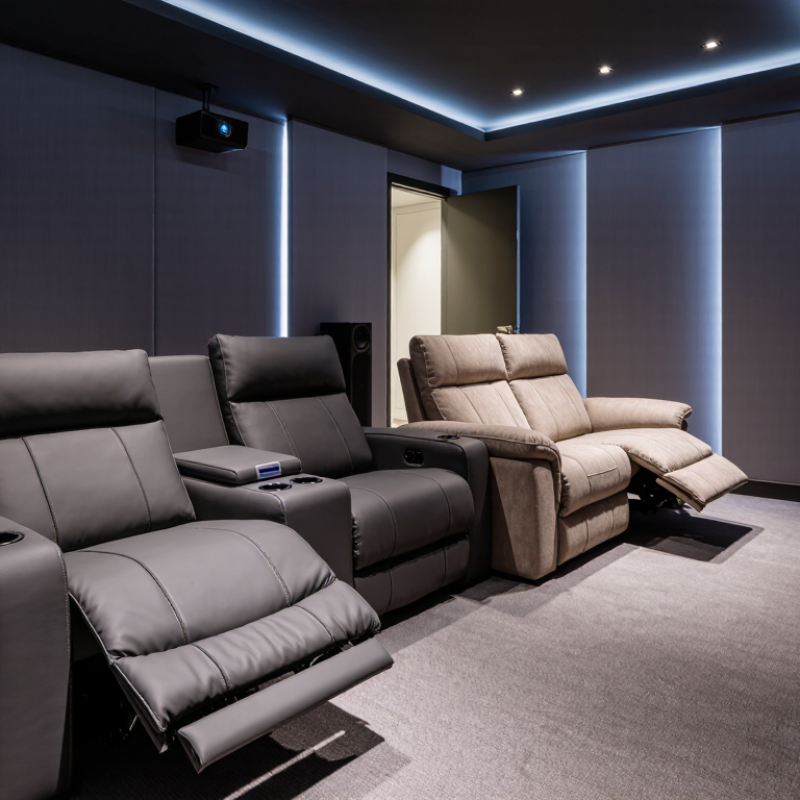
A cinema sofa is more than a wide couch placed in front of a screen. It is seating designed to support long viewing sessions, clear sightlines, and easy movement in a dedicated media room. Buyers should check seat depth, back support, and armrest height, not just the upholstery. Comfort matters.
Recline functions can help, but they need enough clearance behind or in front of each seat. Measure the room with the sofa fully extended, then leave a clear path to the door. A cup holder is useful only if it does not crowd the armrest or make the seat awkward to share. Small details count. If possible, sit in the sofa for at least ten minutes; a quick showroom test may not reveal pressure points.
Look for a frame and reclining mechanism that feel stable during ordinary use, and ask what care the upholstery requires. Fabric can feel warmer and softer, while smooth surfaces may be easier to wipe clean; neither choice suits every household. Check whether the headrest supports your posture without blocking a nearby viewer’s screen. There is no perfect layout, and room plans are easy to misjudge. A cinema sofa should fit the people, viewing distance, and available space—not simply look impressive in a product photo.
| Feature | What to Look For | Practical Buying Guidance | Why It Matters |
|---|---|---|---|
| Reclining seats | Independent reclining positions for each seat, with a footrest that supports the legs. | Check the fully reclined dimensions and whether the center seat reclines; configurations vary. | Lets viewers adjust their position without requiring every person on the sofa to recline together. |
| Room clearance | Enough space behind and in front of the sofa for reclining, walking, and access to other furniture. | Measure the sofa upright and fully reclined. Wall-hugger designs may need less rear clearance, but still require room to extend forward. | A sofa that fits when upright may obstruct an aisle or touch a wall when reclined. |
| Seat width and layout | Seat dimensions and a configuration that suit the available room and household. | Compare usable seat width—not just the overall sofa width—and account for armrests, consoles, and cupholders. | Overall width can be misleading when the seating area is divided by wide arms or a center console. |
| Seat support | Even cushioning, supportive backrests, and a frame designed for regular use. | Review the seat construction and warranty terms; foam density, suspension, and frame materials differ by product. | Comfort and durability depend on the complete seat construction, not upholstery alone. |
| Upholstery | Fabric or leather upholstery suited to the room’s temperature, use, and cleaning needs. | Check care instructions, abrasion information where provided, and whether the material is genuine leather, coated fabric, or textile. | Different materials feel and wear differently and require different cleaning methods. |
| Controls and power | Clearly positioned manual or powered reclining controls. | For powered models, confirm the outlet location, cord routing, and electrical requirements for your country. | Accessible controls and a workable power plan help avoid awkward placement and trip hazards. |
| Convenience features | Features such as cupholders, storage, USB charging, or a center console. | Choose only features that suit your setup; check charging-port type and availability because specifications vary. | Useful extras can keep drinks and small items within reach, but may add width or limit seating flexibility. |
| Viewing arrangement | A seat layout that preserves clear sightlines to the screen for each viewer. | Before buying, map the sofa position against the screen, doorways, aisles, and any existing theater seating. | Comfortable seating is less useful if the arrangement blocks a screen view or room circulation. |
| Delivery and access | Components that can be transported through the home’s entrances and hallways. | Measure doorways, stairs, turns, and elevator openings; compare them with the packaged and assembled dimensions. | A sofa may fit the theater room but be difficult or impossible to move into it. |
| Warranty and service | Written coverage for the frame, reclining mechanism, upholstery, and electrical parts where applicable. | Read the coverage period, exclusions, labor terms, and service process before purchase. | Warranty coverage can differ across components and does not necessarily cover every type of wear or damage. |
Specifications and features vary by model. Confirm measurements, materials, electrical details, and warranty terms in the product documentation before purchasing.
Measure the wall, doorways, and space behind each seat. Mark the sofa’s footprint with masking tape. Walk around it.
Leave room for each footrest to open and keep a clear walkway. A recliner that blocks the aisle can become annoying.
Sit for at least ten minutes if possible. Check seat depth, back support, armrests, and headrest position. Short tests can mislead.
They can make adjustments easier. Check outlet locations and cable routes, and make sure the controls are easy to reach.
Check frame stability, cushion recovery, stitching, and upholstery care instructions. Ask whether covers can be cleaned or replaced.
Include delivery and assembly in your budget. Compare written warranty terms too. A low price may come with cushions that lose shape sooner.
Smooth upholstery is often easier to wipe clean, while removable washable covers can help with spills. Check the care label first.
Request a swatch and view it beside the screen in daylight and dim light. Showroom lighting can be deceiving.
Choosing the right Cinema Sofas for a home theater means balancing comfort, viewing quality, and the practical needs of your room. A suitable sofa should support relaxed seating during long movies, provide enough space for everyone, and fit comfortably with the screen, walkways, and other furniture. Features such as adjustable reclining positions, supportive cushions, durable upholstery, and convenient storage can make a noticeable difference to the viewing experience.
Home theater seating comes in several forms, from compact sofas for smaller rooms to modular or multi-row arrangements for larger spaces. When comparing options in 2026, consider seat dimensions, reclining clearance, construction, upholstery care, and overall value—not just appearance. Measure your room before deciding, set a budget that includes delivery and setup, and choose materials that suit your household’s maintenance needs. The best choice is one that fits your space, feels comfortable, and remains practical for everyday use.